
We are a US Delegate for World Sleep 2024! Enter your email for FREE Sleep Support

recent press & sbnyc blog
QUICK ARTICLES WITH TIPS & TRICKS, FOR ALL THINGS SLEEP
CHECK OUT OUR INSTAGRAM FOR PODCASTS, INTERVIEWS & MORE!
Why Napping Doesn't Work & What You Can Do About it
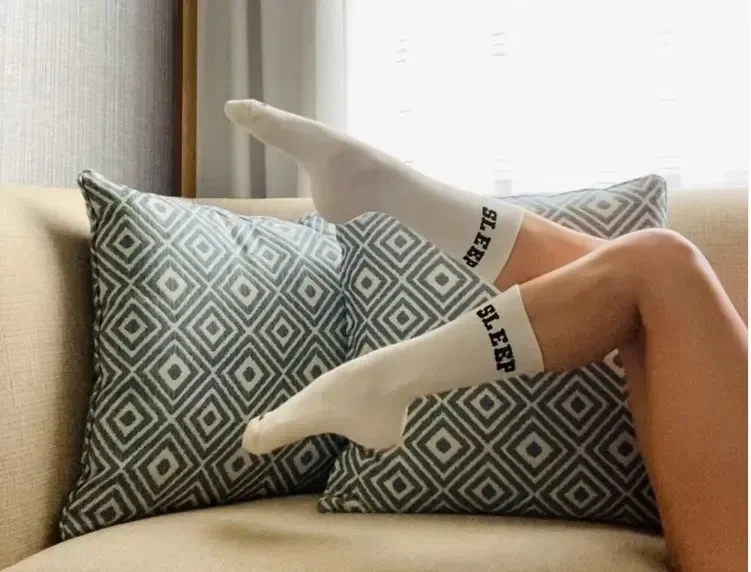
Why Napping Doesn't Work & What You Can Do About it
The “power nap” is that perfect 20 minute nap that fits into your insanely busy life, and instantly improves energy levels. Power naps are encouraged by the Army to restore soldiers’ wakefulness and promote performance. In fact,NASAfound that pilots who nap strategically were 54% more alert.
But you see “20 minutes” and think “YEAH RIGHT.” You’ve tried napping, but you can’t fall asleep, or you want to stay in bed longer, or you feel groggy afterwards. Although the time recommendation is based in science and research, there may be a good reason why it doesn't work for you:
reason #1: you’re not falling asleep right away
The 20-30 min recommendation is based on being ASLEEP for that amount of time. If your mind is still going, by the time you fall asleep, you’ve only got a few minutes left before your alarm goes off.
What you can do about it: set your alarm for 30-40 minutes if it typically takes you a while to fall asleep. To relax your mind and calm your nervous system, trythe 4-6-8 breathing methodor a few rounds of box breathing. Resist the urge to go back to sleep if it doesn’t work for you this time. If you do, you could fall into deeper stages of sleep and fall victim to the dreadedsleep inertia. Waking up when your body is in the physiological state of deep sleep will have you feeling sluggish and disoriented.
reason #2: you’re not doing it right
Yes, there is a right way to nap, and sleep hygiene is a part of that. Sleep hygiene includes healthy habits that prepare your body and mind for sleep and wake. Habits and mindset are important because your brain is always making associations, and taking cues from your environment, even when you’re unaware it’s happening.
What you can do about it:nap on the couch or in the guest room. Don’t nap in your bed, unless you’re an expert napper. Your brain has associated your bed with end-of-the-day sleep that should last for hours, and you might struggle to get up after a short nap here. Also, do your best to block all light before you sleep, and immediately get sunlight (or bright light) when you wake up.
What else you can do about it: try a “napaccino.” A good nap can be more efficient than caffeine, but you can also use it as a tool with your favorite cup of Joe. If it’s not too late in the day, down your coffee just before you nap. By the time it’s working its way through your body and brain, you will be waking up from your power nap!
reason #3: you’re exhausted
If you nap because you’re exhausted, you might be falling into deeper stages of sleep more quickly (we call this "delta rebound" or "REM rebound" in the sleep biz). Your body is wired to sleep, and it’s doing its best to rest and repair. While napping can be beneficial, you might feel groggy and grumpy when you wake up because of sleep inertia (mentioned in #1).
What you can do about it: speak to your sleep coach or doctor to point you in the right direction. Remember that we all get exhausted from time to time, but if it's constant, it’s not normal. Timing is especially important for you. Check out this instagram post about 30/60/90 minute nap options. If you have serious sleep deprivation and/or a medical condition attributing to the exhaustion, you should consider seeking additional help.
reason #4: you have a sleep disorder
If you have a sleep disorder, it could be a major factor in your inability to nap efficiently. Insomnia, especially when related to anxiety, can prevent you from falling asleep at any time. This can cause more anxiety when attempting to sleep.Narcolepsy andObstructive Sleep Apnea (OSA)can go undiagnosed for many years, although they are both treatable conditions. About 20% of Americans have OSA, a potentially deadly sleep breathing disorder that is often related to snoring. Waking up from a nap where you can’t breathe correctly is just going make you feel worse.
What you can do about it- get tested so you can get treatment ASAP. I am a boarded clinical sleep educator, but I am not your doctor, and I cannot diagnose you through this blog. The only way to know if you have a sleep disorder is to get a sleep test. Thanks to ever-improving technology, you can get an easy sleep test sent to your home, to take in your own bed (unless the doctor tells you otherwise). The results will be evaluated by a board-certified sleep physician. This shouldn’t worry you- sleep disorders are extremely prevalent, but there are many efficient and comfortable treatment options!
So do you nap or not?
It’s complicated. Every minute that you are awake during the day, your homeostatic pressure (aka your drive to sleep) builds up. Taking a nap in the middle of the day reduces this pressure and can make it difficult to fall asleep later.
Do NOT take a nap if you struggle with chronic insomnia, and/or anxiety that keeps you from falling asleep at night. A professional might work with you on a specific schedule and sleep restriction therapy. If behavioral modifications and sleep hygiene do not improve your daytime sleepiness or insomnia, a doctor may prescribe medication to help.
DO nap if you have a long day/night ahead of you or are a shift worker. You should feel alert for a bit longer by napping and lowering your homeostatic pressure.
DO nap if you are a new parent and can find the time. If you have just 5 minutes, try to rest by sitting silence or mediating. Keep in mind that rest is not the same as sleep- but we know you need both, however you can get it.
As you can see, there are no one-size-fits-all methods when it comes to napping, sleep, or overall health and wellness. Speak to sleep coach or doctor if you need support- google and WebMD do NOT count 😉
If you're interested in improving your sleep to improve ANY part of your life, create an account and sign up for a Free Consultation
If you're interested in staying vaguely connected,SUBSCRIBE HERE.
If you want to see more tips and photos,FOLLOW US ON INSTAGRAM
There are active links in this blog to connect you to science and research. Over-the-counter devices and supplements can be helpful, but are no substitution for personalized, prescribed treatment. Contact us for additional information as needed
looking for an author, or
expert review of your content?


Copyright © 2023 Sleep Better NYC LLC - All Rights Reserved. | Website designRach Johnson